


Longitudinal data layer
A person's health as a timeline, not a series of visits. Standards-based, so it sits beside any record system. De-identified and governed from the first record.
BioSynova is building the clinical intelligence system behind a more continuous model of cancer care. It brings together longitudinal data, physician-guided models, and operational AI to help specialists support people before a diagnosis and long after treatment.

The first physician-led practice on the system is live in Texas and Florida.
Cancer care is often organized around diagnosis and treatment. BioSynova is being built to extend specialist expertise into the years before a diagnosis and the decades after treatment, with a clearer view of each person over time.
We are treating cancer too late. We declare victory too soon. A specialist’s judgment belongs on both sides of treatment.
People have more access to tests, imaging, and health data, but results alone do not explain their individual cancer risk. After treatment, survivors can face fears of recurrence, lasting side effects, and unanswered questions between visits. Arisha saw both gaps in her own practice: people who needed a specialist before a diagnosis, and people who still needed one after treatment ended.
The future of oncology will not be defined only by new drugs. It will be defined by how early we begin to intervene, and how continuously. That takes a system, not a hero clinician. BioSynova is that system.
new cancer diagnoses in the United States each year
American Cancer Societypeople living with and after cancer, and the number is rising
ACS · NCIoncologist supply projected to fall short of demand through the next decade
ASCO workforce projectionsFamily history, genetics, lab results, imaging, and treatment history each tell part of a person’s story. BioSynova is being built to bring those records together over time, helping physicians interpret changes in context and study which patterns may matter for prevention and survivorship.
Illustrative timeline: a view of records over time, not a prediction of cancer.
More health data, new AI capabilities, and a growing need for long-term support create an opportunity to build cancer care around a specialist’s judgment.
The end of treatment can begin years of questions about recurrence, treatment effects, and long-term health. Specialist support should extend into that chapter.
People can access more tests than ever. Arisha’s point is simple: a result needs interpretation by someone who understands the person, the test’s limitations, and what to do next.
Operational AI can help organize information and coordinate workflows, giving physicians more time for the decisions and conversations that need them.
BioNurture offers a concierge approach for people who want a specialist partner in cancer prevention and survivorship.
The model begins with care. Longitudinal records and specialist review create a foundation for studying patterns in prevention and survivorship. The Cancer Resilience Index is being developed to explore which markers may inform cancer risk and recurrence risk over time. Operational AI supports the work around that care; clinical use of the model depends on validation.
A person's health as a timeline, not a series of visits. Standards-based, so it sits beside any record system. De-identified and governed from the first record.

A model in development to study prevention and survivorship markers over time. Its research goal is to better understand patterns associated with cancer risk and recurrence risk. Predictive performance is not yet established. Clinical use depends on validation and physician review.

Carries the operational load of a specialty practice and of the company. Model-agnostic. Every action logged. Every clinical touchpoint routed to a licensed physician.

Decision support for the physician, and a member portal that makes a specialist feel present between visits. The AI is infrastructure. The physician is the voice the patient hears.
The person over time is the unit of the system. Everything else reads from that.
Models and agents earn their way into clinical use. Clinician review is part of the release.
No single vendor is a dependency. The architecture outlives any one model.
Governance is designed into the data layer, not applied to it afterward.
Every action is logged and attributable. Audit is a query, not a project.
The system proposes. The physician decides.
BioNurture is the clinical proof of concept for the care model Arisha describes: access to a specialist before diagnosis and after treatment. Its concierge practice focuses on cancer prevention, survivorship, and blood health. BioSynova is being built as the clinical intelligence system behind that care, connecting information over time to support physician judgment.
Hold the patient relationship and the medical record. Employ the clinicians. Make every clinical decision.
Technology, models, data infrastructure, brands and operations. Earns a fixed platform and management fee today. Licenses the intelligence tomorrow.
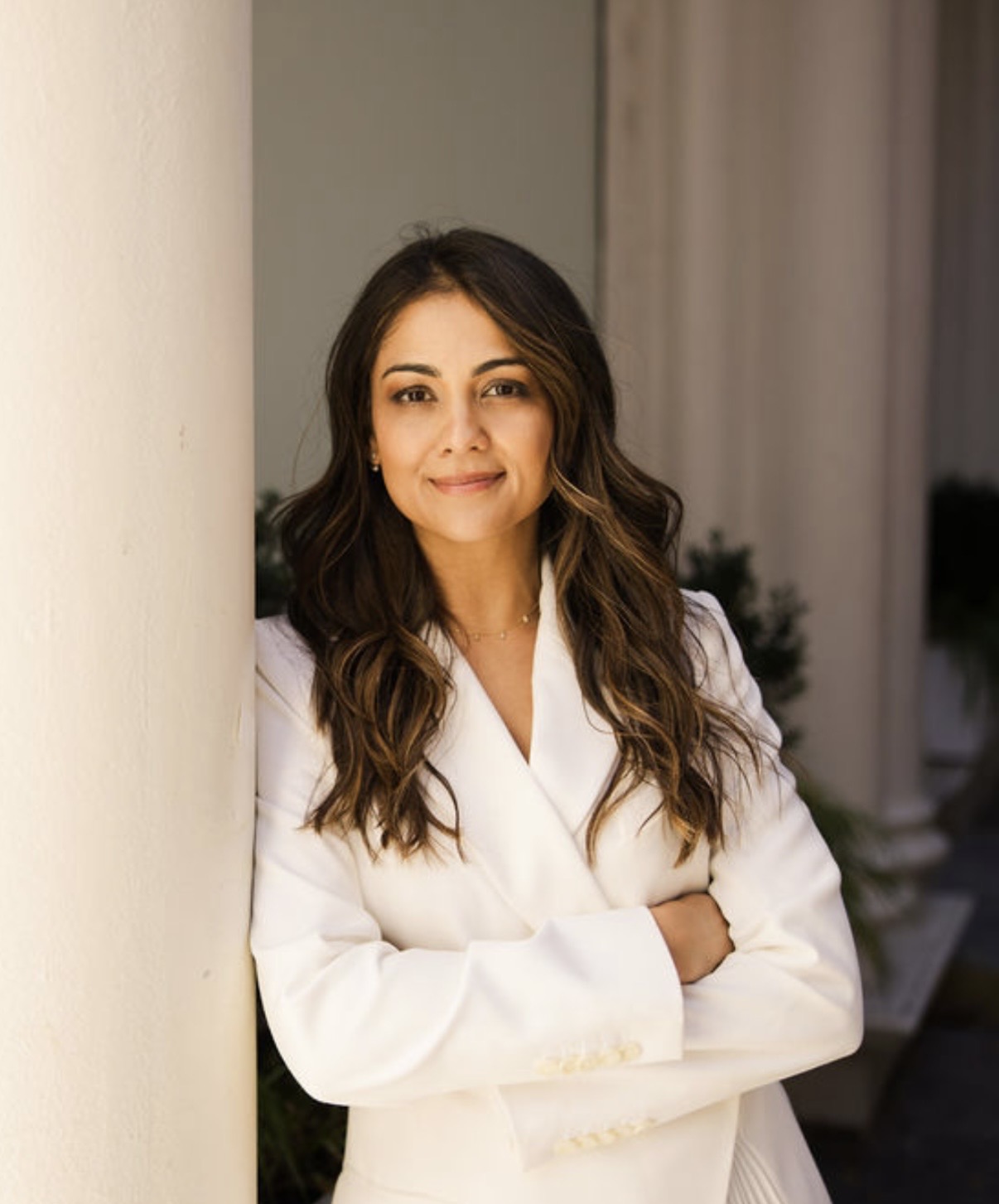
Arisha is a triple board-certified oncologist, hematologist, and internist. She practiced breast oncology at Stanford and led precision oncology trials at Genentech, where she worked with increasingly personalized approaches to cancer treatment. Back in the clinic, she saw a gap: that expertise was not reaching people early enough, or staying with them long enough after treatment.
She founded BioNurture to give people a specialist partner in prevention and survivorship. Drawing on her clinical experience and her MBA in AI and biomedical entrepreneurship from Carnegie Mellon, she is building BioSynova as the clinical intelligence system behind that care.
Founder perspectiveA specialist on your team before a diagnosis, and long after treatment.
Published & presentedThe Lancet Oncology · Cancer Discovery · JCO Clinical Cancer Informatics · British Journal of Haematology · Cancer · ASCO · AACR · ASH
We are assembling the founding team. Small, senior, and in the room with a founder who has run trials, seen patients, and already shipped an agentic operating layer. Greenfield architecture. Founder-level equity for founder-level roles. Remote-first.
Own the platform end to end: data layer, member app, clinical interface and the agent layer that runs the company. Take the Cancer Resilience Index from development into clinical use.
A physician-founded Delaware company with the first practice live, the operating layer running, the IP strategy set, and the structure built for a venture path. We are opening investor conversations now.
The thesis and market, the platform architecture, the entity and IP structure, the operating model and unit economics, the roadmap with dates, the team and advisors, and the terms of the current round. Sent on request under NDA.
BioSynova, Inc. owns the technology, the models, the data infrastructure, the brands and the operating platform. It does not own or practice medicine. Care is delivered by independently owned, physician-led practices that BioSynova supports under management services agreements.
Platform and management fees from the practices on the system today. Licensing of the intelligence layer to practices and health systems as the model and the index move from validation into use.
Arisha brings clinical practice, precision oncology trials, and training in AI and biomedical entrepreneurship to the same problem. Her work as an oncologist, hematologist, and internist informs what the system needs to help physicians see, and which decisions must stay with them.
You hear from the founder directly, within two business days. No automated sequences.
Investors, candidates, clinicians, partners and press. One form, read by a person, answered within two business days.
Or write directlyhello@biosynova.com